Tires
Shop tires by exact size, vehicle requirements, season, and the way you drive. The catalog covers daily commuter tires, highway and touring options, winter traction, off-road patterns, truck load applications, trailer service, and specialty equipment. Start with the size on the current tire or the vehicle placard, then compare the service description and intended use.
Showing 1–12 of 6837 results
-
All Season Tires
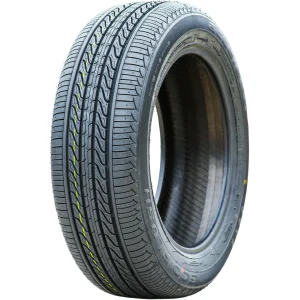
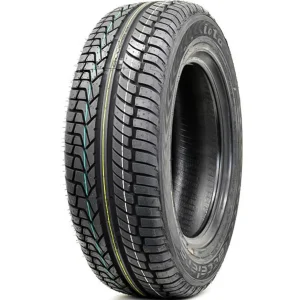
Accelera Eco Plush 165/60R14 82H
Original price was: ¥57.99.¥17.40Current price is: ¥17.40. Add to cart -
All Season Tires
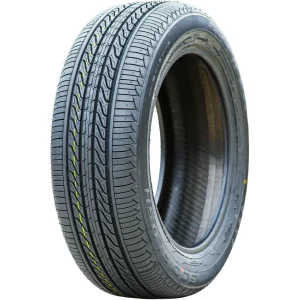
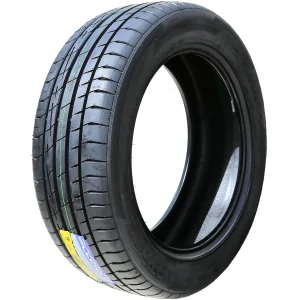
Accelera Eco Plush 195/60R15 88H
Original price was: ¥54.93.¥16.48Current price is: ¥16.48. Add to cart -
All Season Tires
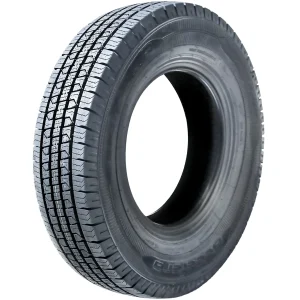
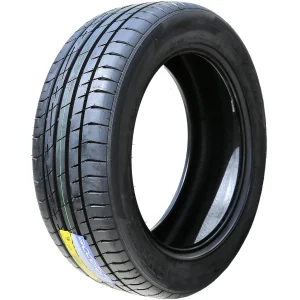
Accelera Epsilon H/T LT 31X10.50R15 109R C (6 Ply)
Original price was: ¥173.99.¥52.20Current price is: ¥52.20. Add to cart -
All Season Tires
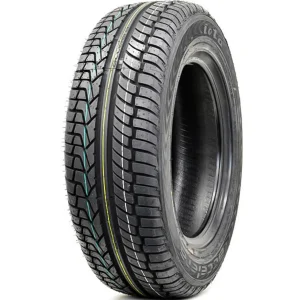
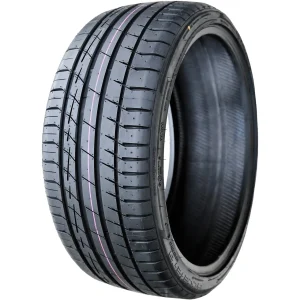
Accelera Iota 215/55R18 99V XL (DC)
Original price was: ¥101.99.¥30.60Current price is: ¥30.60. Add to cart -
All Season Tires
Accelera Iota 295/30R22 103Y XL
Original price was: ¥191.99.¥57.60Current price is: ¥57.60. Add to cart -
All Season Tires
Accelera Iota ST68 225/55R18 98V
Original price was: ¥93.93.¥28.18Current price is: ¥28.18. Add to cart -
All Season Tires
Accelera Iota ST68 225/55R19 ZR 99Y
Original price was: ¥119.89.¥35.97Current price is: ¥35.97. Add to cart -
All Season Tires
Accelera Iota ST68 235/45R20 100W XL
Original price was: ¥99.93.¥29.98Current price is: ¥29.98. Add to cart -
All Season Tires
Accelera Iota ST68 235/50R20 104V XL
Original price was: ¥106.93.¥32.08Current price is: ¥32.08. Add to cart -
All Season Tires
Accelera Iota ST68 235/55R18 104V XL
Original price was: ¥93.93.¥28.18Current price is: ¥28.18. Add to cart -
All Season Tires
Accelera Iota ST68 235/65R18 ZR 106W XL
Original price was: ¥101.93.¥30.58Current price is: ¥30.58. Add to cart -
All Season Tires
Accelera Iota ST68 245/30R22 ZR 92W XL
Original price was: ¥98.68.¥29.60Current price is: ¥29.60. Add to cart
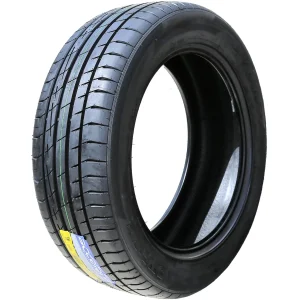
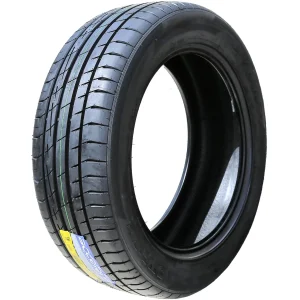
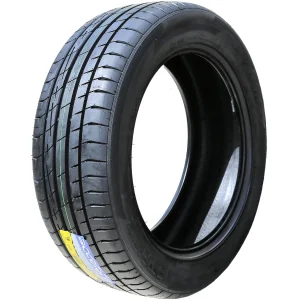
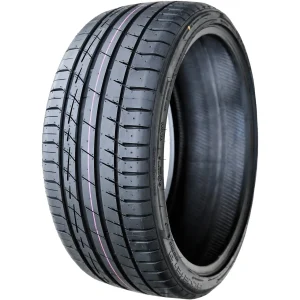
Start with size, then choose the right tire category
A complete tire size such as 225/45R17 identifies width, aspect ratio, construction, and wheel diameter, but it does not describe every requirement. Load index, speed rating, load range, seasonal designation, and vehicle type also affect whether a tire is suitable.
What to compare before ordering
- Required size: confirm all characters on the tire placard or approved vehicle specification, including LT, P, or ST service markings where used.
- Load and speed: choose ratings that meet the vehicle, axle, cargo, towing, or trailer requirements.
- Climate: separate all-season convenience from all-weather or dedicated winter capability in sustained cold and snow.
- Road use: balance quiet highway manners, responsive handling, loose-surface traction, mud clearance, and tread durability.
- Installation: plan for matching sets, correct rotation direction, inflation, balancing, valve or sensor service, and clearance.
Do not change tire size from a search result alone. A different size can affect clearance, load capacity, speedometer behavior, and wheel compatibility. Verify any alternative size for the exact vehicle before purchase.
Frequently asked questions
How do I shop for tires by size?
Read the complete size from the vehicle placard or tire sidewall, including prefixes such as LT or ST when present. Match the width, aspect ratio, construction, and wheel diameter, then confirm load index, speed rating, and load range. After fitment is established, compare season and tread type for the driving conditions.
Should I choose tires by vehicle or by tire size?
Both checks are useful. Vehicle selection helps identify original specifications and applicable options, while the tire size confirms what is currently installed. If those sources disagree, verify the wheel size, placard, modifications, and approved specifications before ordering rather than assuming the tire already on the vehicle is correct.
What type of tire is best for everyday driving?
There is no single best type for every driver. All-season or touring tires suit many daily vehicles, while all-weather or winter tires address colder conditions. Trucks used off pavement or for heavier loads may need all-terrain or LT-rated options. Choose by climate, road surface, load, noise preference, and the required size and ratings.