Engine & Ignition
Shop engine and ignition components by exact vehicle and engine application. The catalog includes ignition coils, sensors, mounts, timing components, belts, gaskets, oil-system parts, and related hardware. Engine codes, displacement, connector design, and production notes often matter as much as model year.
Showing 1–12 of 1336 results
-
Ignition Coils
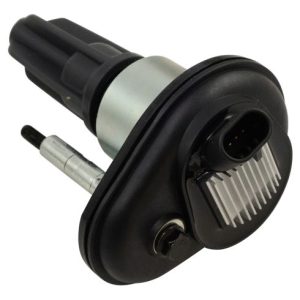
12 Piece Ignition Kit TRQ ICA71766
Original price was: ¥194.95.¥58.49Current price is: ¥58.49. Add to cart -
Spark Plugs
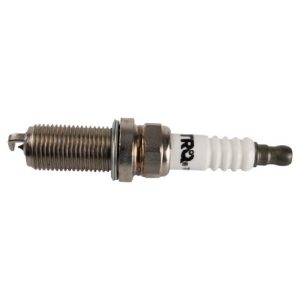
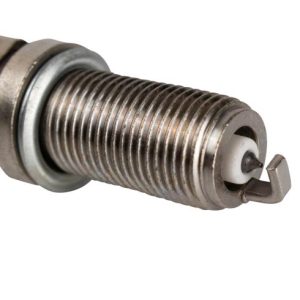
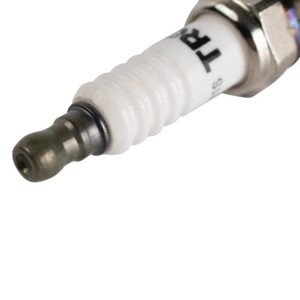
12 Piece Spark Plug Set TRQ SPA02158
Original price was: ¥78.95.¥23.69Current price is: ¥23.69. Add to cart -
Ignition Coils
16 Piece Ignition Kit TRQ Performance TKA05945
Original price was: ¥219.95.¥65.99Current price is: ¥65.99. Add to cart -
Ignition Coils
17 Piece Ignition Kit DIY Solutions IGN01198
Original price was: ¥244.95.¥73.49Current price is: ¥73.49. Add to cart -
Ignition Coils
17 Piece Ignition Kit TRQ Performance TKA06264
Original price was: ¥284.95.¥85.49Current price is: ¥85.49. Add to cart -
Ignition Coils
17 Piece Ignition Kit TRQ Performance TKA06268
Original price was: ¥299.95.¥89.99Current price is: ¥89.99. Add to cart -
Ignition Coils
1987 Chevrolet P30 GMC P3500 2 Piece Ignition Kit TRQ TKA43495
Original price was: ¥124.95.¥37.49Current price is: ¥37.49. Add to cart -
Ignition Coils
1990-91 Chevrolet Corvette ZR-1 12 Piece Ignition Kit TRQ TKA05908
Original price was: ¥104.95.¥31.49Current price is: ¥31.49. Add to cart -
Ignition Coils
1990-91 Chevrolet Corvette ZR-1 13 Piece Ignition Kit TRQ TKA19528
Original price was: ¥139.95.¥41.99Current price is: ¥41.99. Add to cart -
Spark Plug Wires & Boots
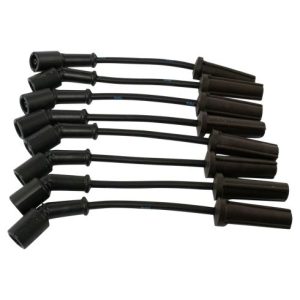
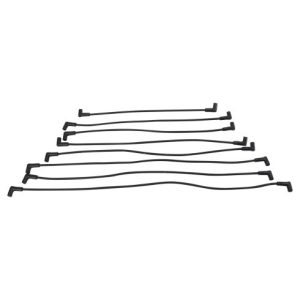
1990-95 Chevrolet Corvette V8 5.7L DOHC Spark Plug Wire Set TRQ IWA70283
Original price was: ¥53.95.¥16.19Current price is: ¥16.19. Add to cart -
Ignition Coils
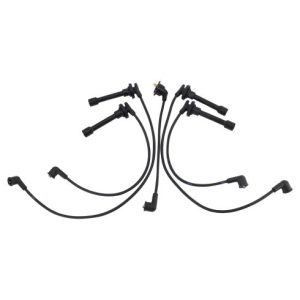
1992-96 Honda Prelude L4 2.3L 5 Piece Ignition Kit TRQ TKA19502
Original price was: ¥68.95.¥20.69Current price is: ¥20.69. Add to cart -
Ignition Coils
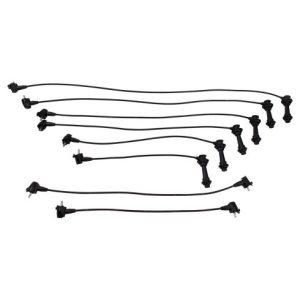
1992-97 Lexus SC300 7 Piece Ignition Kit TRQ TKA19498
Original price was: ¥91.95.¥27.59Current price is: ¥27.59. Add to cart
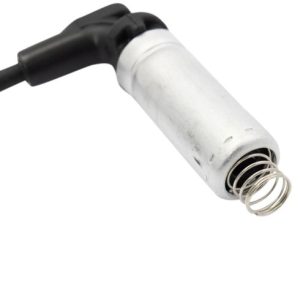
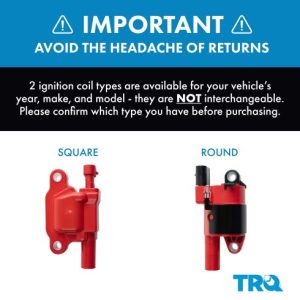
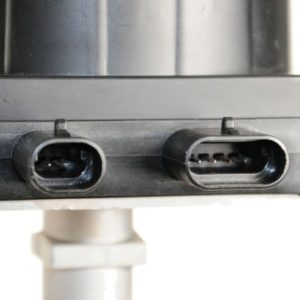
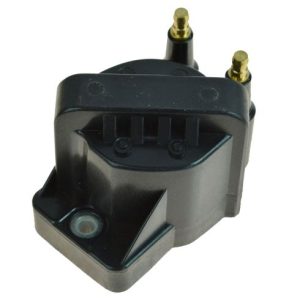
Use the engine configuration as the primary fitment check
A model may be offered with several engines that use different coils, sensors, mounts, belts, and gaskets. Confirm displacement and engine layout, then compare the product notes with the original component. Diagnostic codes can identify a circuit or operating condition, but they do not always prove that the named sensor or ignition part has failed.
Before choosing an engine component
- Record the engine: verify displacement, cylinder count, aspiration, fuel type, and engine code when available.
- Check the connector: terminal count, keying, harness length, and mounting style may change by production date.
- Review kit quantity: ignition and gasket kits may serve one cylinder, one bank, or the complete engine.
- Inspect related parts: wiring, grounds, spark plugs, vacuum leaks, fluid leaks, and worn mounts can produce overlapping symptoms.
Manufacturer part numbers and physical details provide useful confirmation, but the vehicle application remains essential. Follow the service procedure and torque specifications for the exact engine.
Frequently asked questions
Can I use a diagnostic code to choose an engine sensor?
A code identifies the system and condition detected by the control module, not automatically the failed component. Wiring, connectors, mechanical problems, or another sensor may cause the same code. Diagnose the circuit and verify fitment before ordering a replacement.
Why does engine size matter when ordering ignition parts?
Different engines can use different coil shapes, connectors, plug boots, firing arrangements, and quantities. Even engines with the same displacement may change during a production run, so compare engine code and connector details when they are listed.
Should related engine parts be replaced as a set?
It depends on the part and the diagnosis. Matching wear items may be replaced together for consistent service, while sensors and modules should not be replaced solely because a nearby component failed. Review the kit contents and the condition of each related part.