Sway Bars & Links
Find sway bar links and related stabilizer components by exact vehicle and axle position. Compare front and rear links, individual sides, matched pairs, and included bushings or hardware. Link length and attachment style can change with suspension package or ride height.
Showing 1–12 of 329 results
-
Sway Bars & Links
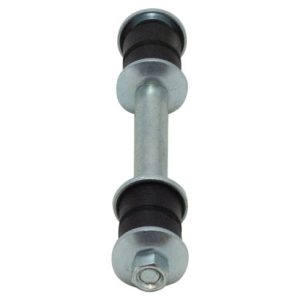
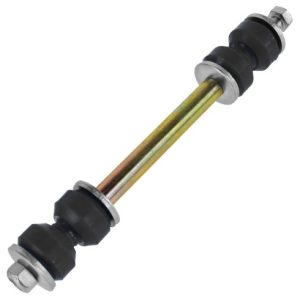
1987-95 Jeep Wrangler Front Driver & Passenger Side 2 Piece Sway Bar Link Set TRQ PSA55760
Original price was: ¥44.95.¥13.49Current price is: ¥13.49. Add to cart -
Sway Bars & Links
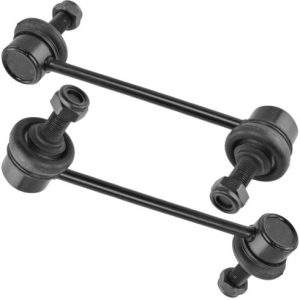
1989-97 Ford Thunderbird Mercury Cougar Rear Driver & Passenger Side 2 Piece Sway Bar Link Set TRQ PSA55661
Original price was: ¥34.95.¥10.49Current price is: ¥10.49. Add to cart -
Sway Bars & Links
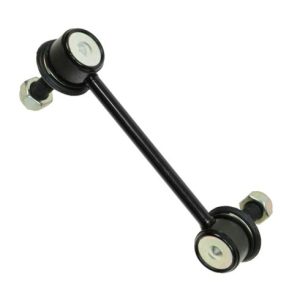
1990-97 Mazda Miata Driver & Passenger Side 2 Piece Sway Bar Link Set TRQ PSA55827
Original price was: ¥44.95.¥13.49Current price is: ¥13.49. Add to cart -
Sway Bars & Links
1990-97 Mazda Miata Sway Bar Link TRQ PSA67893
Original price was: ¥26.45.¥7.94Current price is: ¥7.94. Add to cart -
Sway Bars & Links
1993-98 Toyota T100 Front Sway Bar Link TRQ PSA67370
Original price was: ¥23.95.¥7.19Current price is: ¥7.19. Add to cart -
Sway Bars & Links
1994-04 Ford Mustang Front & Rear 4 Piece Sway Bar Link Set TRQ PSA30860
Original price was: ¥49.95.¥14.99Current price is: ¥14.99. Add to cart -
Sway Bars & Links
1997-01 Honda CR-V Rear Driver & Passenger Side 2 Piece Sway Bar Link Set TRQ PSA55730
Original price was: ¥44.95.¥13.49Current price is: ¥13.49. Add to cart -
Sway Bars & Links
1997-01 Honda Prelude Rear Driver & Passenger Side 2 Piece Sway Bar Link Set TRQ PSA55917
Original price was: ¥31.95.¥9.59Current price is: ¥9.59. Add to cart -
Sway Bars & Links
1997-01 Honda Prelude Rear Sway Bar Link TRQ PSA68219
Original price was: ¥24.95.¥7.49Current price is: ¥7.49. Add to cart -
Sway Bars & Links
1997-04 Dodge Dakota Rear Wheel Drive Front & Rear 4 Piece Sway Bar Link Set TRQ PSA56016
Original price was: ¥54.95.¥16.49Current price is: ¥16.49. Add to cart -
Sway Bars & Links
1997-06 Jeep Wrangler Front Sway Bar Link TRQ PSA67801
Original price was: ¥33.95.¥10.19Current price is: ¥10.19. Add to cart -
Sway Bars & Links
1999-00 Mazda Protege with 7.56in Sway Bar Links Front Driver & Passenger Side 2 Piece Sway Bar Link Set TRQ PSA55734
Original price was: ¥33.95.¥10.19Current price is: ¥10.19. Add to cart
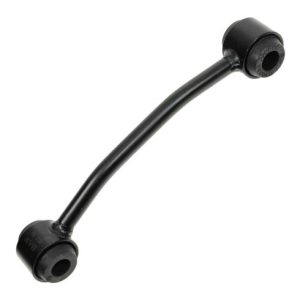
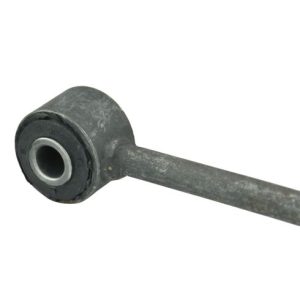
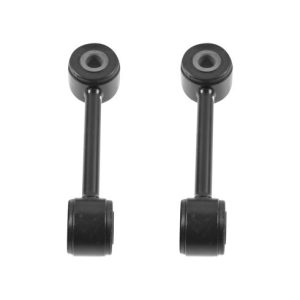
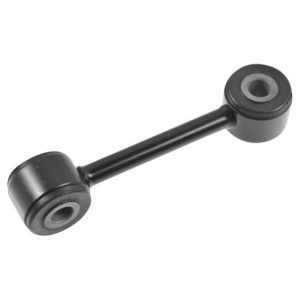
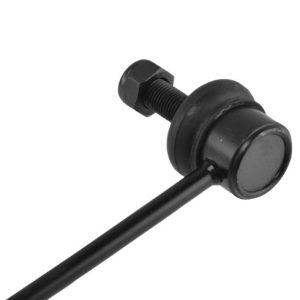
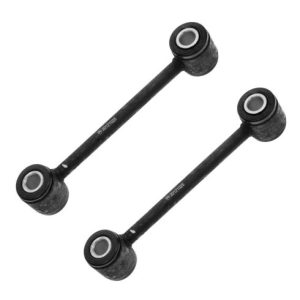
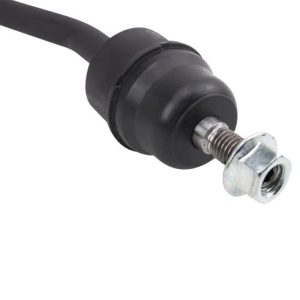
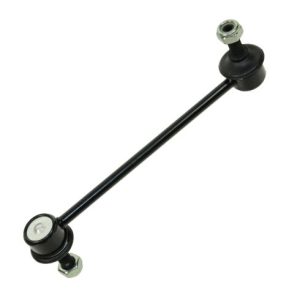
Inspect the stabilizer system as a connected assembly
Sway bar links connect the stabilizer bar to the suspension and allow controlled movement. Noise can also come from sway bar frame bushings, control-arm bushings, strut mounts, ball joints, or loose hardware. Check the full system before selecting a link.
What to match
- Axle and side: confirm front or rear and whether the link is side-specific.
- Attachment style: compare ball-stud, eyelet, bushing, sleeve, and bolt arrangements.
- Ride height: factory sport, lifted, lowered, or heavy-duty suspensions may need another length or design.
- Included pieces: identify nuts, washers, sleeves, bushings, and brackets in the package.
Install links with the suspension positioned as directed and tighten fasteners to specification. If one link has failed through age or corrosion, inspect the opposite side and sway bar bushings for similar wear.
Frequently asked questions
What does a sway bar link do?
It connects the stabilizer bar to the suspension so the bar can resist excessive body roll during cornering. The link still allows normal suspension movement. Its joints or bushings can wear and create looseness or noise.
What are signs of a worn sway bar link?
A worn link may rattle or clunk over small bumps, especially at low speed, and may show looseness or damaged boots during inspection. Similar noises can come from other suspension parts, so movement should be confirmed at the link.
Should sway bar links be replaced in pairs?
They can be replaced individually when only one is worn, but both sides have similar service conditions and should be inspected. A matched pair may be practical when age, corrosion, or wear is comparable.