Control Arms
Find upper and lower control arms by vehicle, axle, side, and suspension configuration. Compare individual arms, matched pairs, and assemblies with bushings or ball joints. Position and drivetrain details matter, even when two arms appear to have the same general shape.
Showing 1–12 of 658 results
-
Control Arms
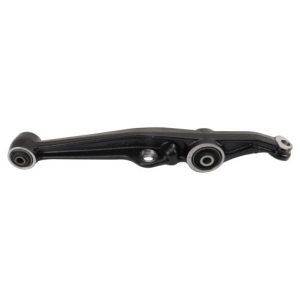
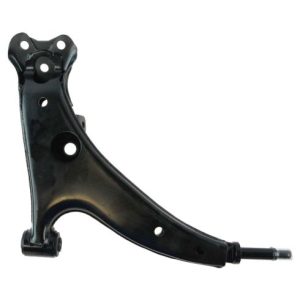
1988-91 Honda Civic CRX Front Driver Side Control Arm TRQ PSA63821
Original price was: ¥64.95.¥19.49Current price is: ¥19.49. Add to cart -
Control Arms
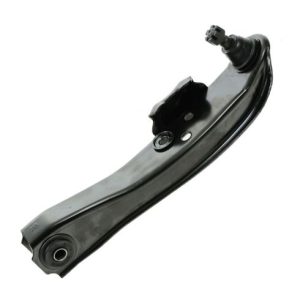
1989-94 Nissan 240SX Front Driver & Passenger Side Lower 2 Piece Control Arm with Ball Joint Set TRQ PSA62176
Original price was: ¥89.95.¥26.99Current price is: ¥26.99. Add to cart -
Control Arms
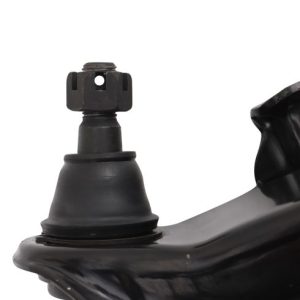
1989-94 Nissan 240SX Front Driver Side Lower Control Arm with Ball Joint TRQ PSA83925
Original price was: ¥54.95.¥16.49Current price is: ¥16.49. Add to cart -
Control Arms
1989-94 Nissan 240SX Front Passenger Side Lower Control Arm with Ball Joint TRQ PSA83926
Original price was: ¥54.95.¥16.49Current price is: ¥16.49. Add to cart -
Control Arms
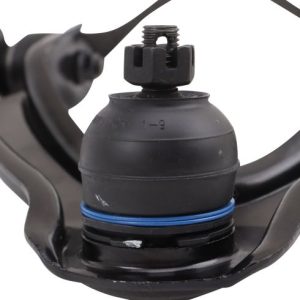
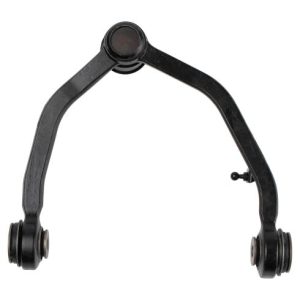
1990-93 Acura Integra Front Passenger Side Upper Control Arm with Ball Joint TRQ PSA83706
Original price was: ¥59.95.¥17.99Current price is: ¥17.99. Add to cart -
Control Arms
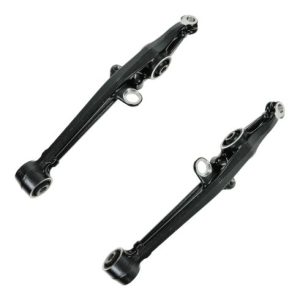
1990-93 Honda Accord Front Driver & Passenger Side Lower 2 Piece Control Arm Set TRQ PSA62811
Original price was: ¥94.95.¥28.49Current price is: ¥28.49. Add to cart -
Control Arms
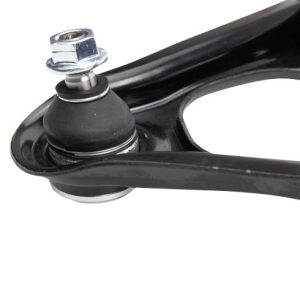
1990-97 Mazda Miata Front Driver Side Upper Control Arm with Ball Joint TRQ PSA71530
Original price was: ¥94.95.¥28.49Current price is: ¥28.49. Add to cart -
Control Arms
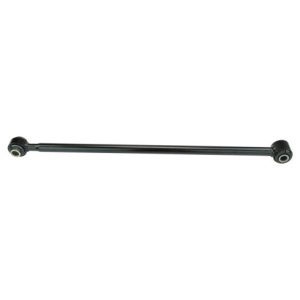
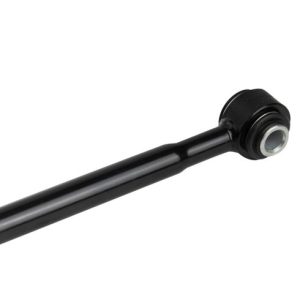
1992-96 Toyota Camry Lexus ES300 Rear Control Arm TRQ PSA66425
Original price was: ¥54.95.¥16.49Current price is: ¥16.49. Add to cart -
Control Arms
1992-96 Toyota Camry Lexus ES300 Rear Passenger Side Control Arm TRQ PSA66494
Original price was: ¥54.95.¥16.49Current price is: ¥16.49. Add to cart -
Control Arms
1993-95 Toyota Corolla Geo Prizm Front Driver Side Control Arm TRQ PSA63852
Original price was: ¥59.95.¥17.99Current price is: ¥17.99. Add to cart -
Control Arms
1993-98 Lincoln Mark VIII Front 4 Piece Control Arm with Ball Joint Set TRQ PSA36206
Original price was: ¥209.95.¥62.99Current price is: ¥62.99. Add to cart -
Control Arms
1993-98 Lincoln Mark VIII Front Passenger Side Lower Control Arm with Ball Joint TRQ PSA84186
Original price was: ¥69.95.¥20.99Current price is: ¥20.99. Add to cart
Identify the exact arm and what is included
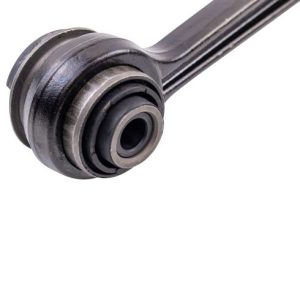
A suspension may use upper, lower, forward, rearward, lateral, or trailing arms. Listings can include installed bushings and ball joints, or only the arm itself. Confirm both the location and the included components before planning the repair.
Control-arm fitment checks
- Position: front or rear, driver or passenger, upper or lower, and forward or rearward.
- Drive system: two-wheel drive and four-wheel drive may use different geometry or mounting points.
- Suspension option: wheelbase, ride height, sport package, air suspension, and production date can matter.
- Related wear: inspect ball joints, bushings, tie rods, sway bar links, knuckle, and tire condition.
Control-arm replacement commonly requires an alignment. Follow the specified tightening sequence; rubber-bushed joints may need final torque at normal ride height to avoid preloading the bushing.
Frequently asked questions
What are common signs of a worn control arm?
Possible signs include clunks, wandering, uneven tire wear, unstable braking, or visible bushing or ball-joint movement. Similar symptoms can come from other suspension or steering parts, so inspect the complete corner before choosing a replacement.
Can I drive with a bad control arm?
A severely worn or damaged control arm, bushing, or ball joint can affect wheel location and vehicle control. The risk depends on the failure, but looseness or structural damage should be evaluated promptly rather than treated as a routine noise.
Do control arms affect alignment?
Yes. Control arms position the wheel and connect through bushings and joints that influence alignment angles. Replacement or worn mounting points can change those angles, so an alignment check is commonly required after repair.