Brake Pads
Find replacement brake pads for the correct vehicle, axle, and factory brake package. Compare front and rear sets, pad material, wear-sensor provisions, and included hardware. A matching outline is not enough; rotor dimensions and caliper design must also agree with the application.
Showing 1–12 of 297 results
-
Brake Pads
1994-04 Ford Mustang Rear Ceramic Brake Pads TRQ BFA73134
Original price was: ¥41.95.¥12.59Current price is: ¥12.59. Add to cart -
Brake Pads
1994-04 Ford Mustang Rear Semi-Metallic Brake Pads TRQ BFA73678
Original price was: ¥44.95.¥13.49Current price is: ¥13.49. Add to cart -
Brake Pads
1994-98 Ford Mustang Front & Rear Ceramic Brake Pads TRQ BFA20124
Original price was: ¥69.95.¥20.99Current price is: ¥20.99. Add to cart -
Brake Pads
1995-97 Toyota Avalon Front & Rear Ceramic Brake Pads TRQ BFA20277
Original price was: ¥68.95.¥20.69Current price is: ¥20.69. Add to cart -
Brake Pads
1995-98 Jeep Grand Cherokee Front & Rear Ceramic Brake Pads TRQ BFA20131
Original price was: ¥69.95.¥20.99Current price is: ¥20.99. Add to cart -
Brake Pads
1995-99 Toyota Avalon Rear Ceramic Brake Pads TRQ BFA73207
Original price was: ¥40.95.¥12.29Current price is: ¥12.29. Add to cart -
Brake Pads
1996-02 Ford Lincoln Mercury Rear Ceramic Brake Pads TRQ BFA73164
Original price was: ¥40.95.¥12.29Current price is: ¥12.29. Add to cart -
Brake Pads
1998-02 Chevrolet Camaro Pontiac Firebird Rear Ceramic Brake Pads TRQ BFA73355
Original price was: ¥37.95.¥11.39Current price is: ¥11.39. Add to cart -
Brake Pads
1998-02 Ford Lincoln Mercury Front & Rear Ceramic Brake Pads TRQ BFA12994
Original price was: ¥74.95.¥22.49Current price is: ¥22.49. Add to cart -
Brake Pads
1998-02 Ford Lincoln Mercury Front & Rear Semi-Metallic Brake Pads TRQ BFA20292
Original price was: ¥59.95.¥17.99Current price is: ¥17.99. Add to cart -
Brake Pads
2001-06 Lexus LS430 Front Ceramic Brake Pads TRQ BFA73426
Original price was: ¥50.95.¥15.29Current price is: ¥15.29. Add to cart -
Brake Pads
2002-08 Jaguar X-Type Front Ceramic Brake Pads TRQ BFA73205
Original price was: ¥41.95.¥12.59Current price is: ¥12.59. Add to cart


Choose pads for the brake system and driving need
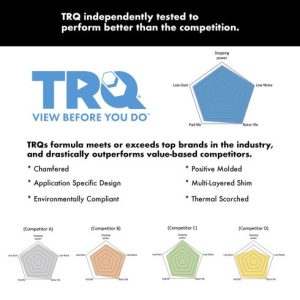
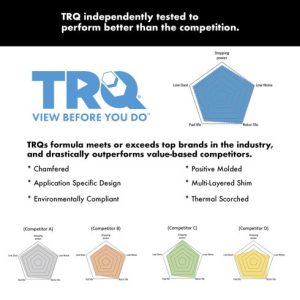
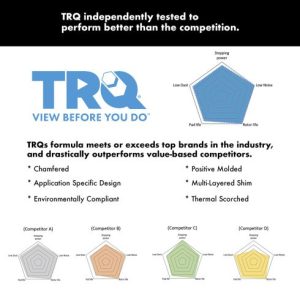
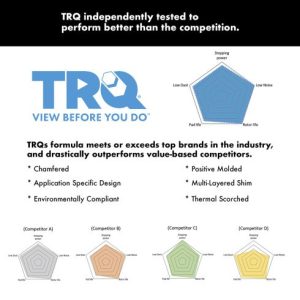
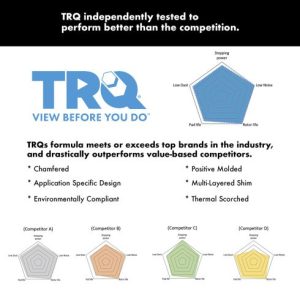
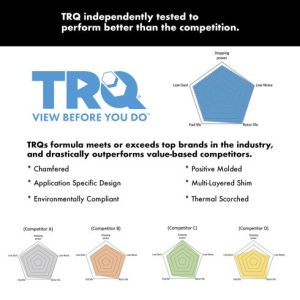
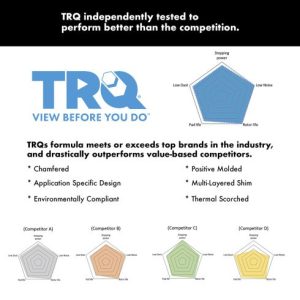
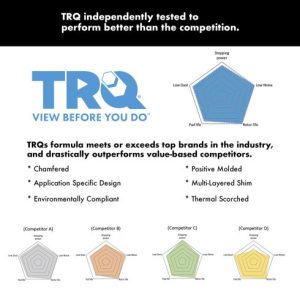
Brake-pad compounds balance noise, dust, pedal feel, heat behavior, and service life differently. Ceramic and semi-metallic are common descriptions, but formulation varies by manufacturer. Begin with exact fitment, then compare the product features that matter for normal commuting, towing, repeated stops, or other service.
Check these details before ordering
- Axle: front and rear pad sets are different and may contain different quantities.
- Brake option: wheel size, rotor diameter, caliper package, and heavy-duty equipment can change pad shape.
- Sensors and hardware: determine whether wear sensors, clips, shims, or abutment hardware are included.
- Rotor condition: inspect for scoring, heat damage, thickness variation, and minimum service thickness.
New pads need clean, serviceable caliper hardware and properly prepared rotor surfaces. Follow the pad or vehicle manufacturer's bedding guidance and verify normal brake operation before regular driving.
Frequently asked questions
Are brake pads universal?
No. Pad shape and thickness must match the caliper and rotor package. One vehicle may have several brake options, so verify the axle, rotor size, caliper type, and any production or trim notes instead of choosing by model name alone.
What is the difference between ceramic and semi-metallic brake pads?
The labels describe broad compound families. Ceramic pads are often selected for low dust and quiet street use, while semi-metallic formulations may emphasize heat handling and initial bite. Actual performance varies by product, so compare the manufacturer's stated application and features.
Can I install new brake pads on old rotors?
Only if the rotors remain within specification and have a suitable surface. Measure thickness and inspect for cracks, deep scoring, heat spots, or excessive variation. Reusing an unsuitable rotor can affect pad contact, noise, and braking consistency.